Creating a sustainable and eco-friendly home environment is a rewarding way to reduce your carbon footprint, save money on energy bills, and contribute positively to the planet. Whether you’re just starting or looking to improve your green living habits, there are plenty of practical steps you can take. This guide offers clear tips to help you make your home more sustainable and environmentally friendly.
Why Create a Sustainable Home?
Sustainability at home is about making choices that minimize environmental impact. Homes that prioritize energy efficiency, waste reduction, and eco-conscious materials can help conserve resources and promote healthier living spaces. Beyond environmental benefits, sustainable homes often lead to better indoor air quality and increased comfort.
Start with Energy Efficiency
Improving your home’s energy efficiency is one of the most effective ways to create a sustainable environment.
Upgrade to Energy-Efficient Appliances
Look for appliances with the ENERGY STAR label. These products use less electricity or water without sacrificing performance. Replacing old appliances with energy-efficient models can significantly reduce your household’s energy consumption.
Use LED Lighting
LED bulbs consume up to 80% less energy and last much longer than traditional incandescent bulbs. Switching your home’s lighting to LED is a simple and cost-effective way to lower energy use.
Enhance Insulation and Sealing
Proper insulation keeps warm air inside during winter and cool air inside during summer. Check your attic, walls, windows, and doors for drafts or leaks, and seal gaps. This reduces the need for heating and cooling, leading to energy savings.
Conserve Water
Water is a precious resource, and conserving it at home helps protect the environment.
Install Low-Flow Fixtures
Low-flow showerheads, faucets, and toilets reduce water usage without compromising performance. This can lower your utility bills and help preserve local water supplies.
Collect Rainwater
If allowed in your area, consider setting up rain barrels to collect rainwater for outdoor use like watering plants or washing outdoor surfaces. This reduces the demand on municipal water.
Fix Leaks Promptly
A dripping faucet or running toilet can waste hundreds of gallons of water yearly. Regularly check your plumbing and repair leaks quickly.
Choose Eco-Friendly Materials and Products
Selecting sustainable materials for your home can reduce your environmental impact.
Use Natural, Non-Toxic Materials
Opt for materials like bamboo flooring, reclaimed wood, or recycled metal. Avoid products with harmful chemicals, such as paints with volatile organic compounds (VOCs), to promote better indoor air quality.
Buy Secondhand or Upcycled Items
Furniture and decor that have been reused or upcycled reduce waste and the demand for new resources. Thrift stores, online marketplaces, and flea markets are great places to find unique, sustainable items.
Reduce Plastic Use
Plastic contributes significantly to landfill waste. Choose alternatives like glass, stainless steel, or natural fibers. For example, use cloth bags, beeswax wraps instead of plastic wrap, and refillable water bottles.
Manage Waste Responsibly
Reducing and managing waste at home helps prevent pollution and saves resources.
Practice Recycling Correctly
Understand the recycling rules in your community and separate recyclables properly. Contaminated recycling can end up in landfills, so make sure items are clean and sorted correctly.
Compost Organic Waste
Composting food scraps and yard waste reduces landfill contributions and produces nutrient-rich soil for gardening. You can start with a simple compost bin or worm composting system.
Minimize Single-Use Products
Avoid disposable items like paper towels, plastic utensils, and bottled water. Choose reusable alternatives to cut down on waste.
Incorporate Green Plants and Natural Elements
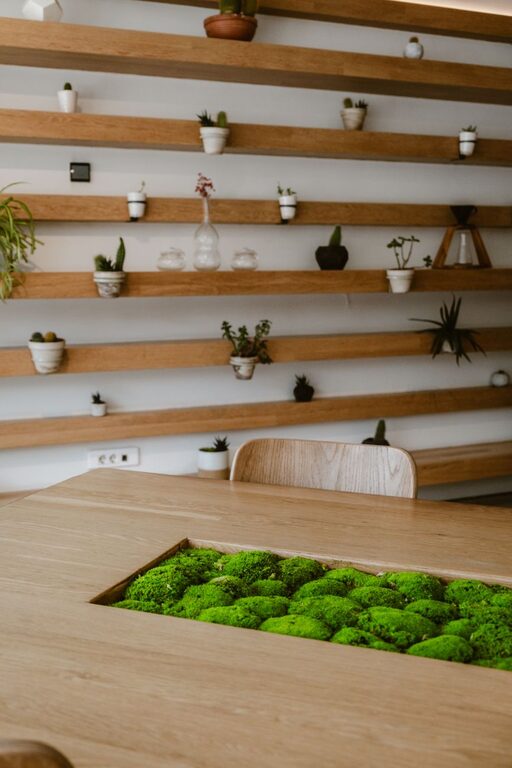
Indoor plants not only brighten a space but also improve air quality and promote well-being.
Choose Air-Purifying Plants
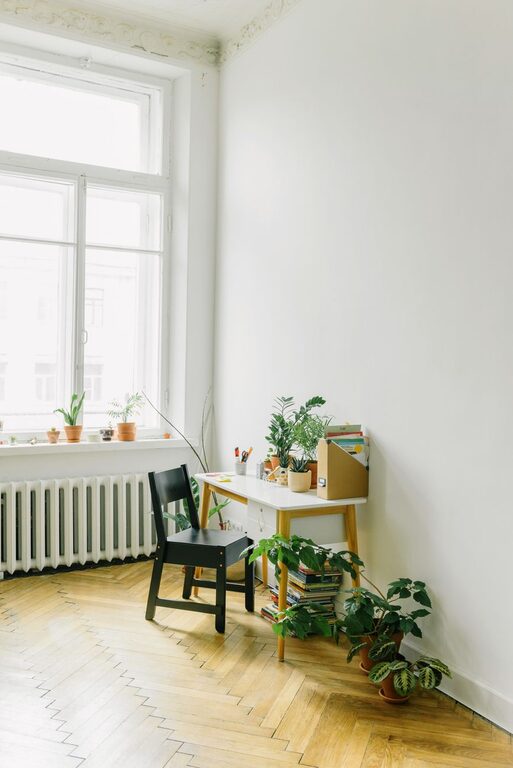
Plants like snake plants, pothos, and spider plants help remove toxins from the air. They are easy to care for and add natural beauty to your home.
Create a Small Herb or Vegetable Garden
Growing your own herbs or veggies on a windowsill or balcony supports local food production and reduces the environmental impact associated with transportation and packaging.
Renewable Energy Options
If possible, consider integrating renewable energy into your home.
Solar Panels
Installing solar panels can reduce reliance on fossil fuels and lower your electricity bill over time. Many communities offer incentives or rebates for solar installation.
Solar Water Heaters
Solar water heating systems use the sun’s energy to warm your home’s water, providing an eco-friendly alternative to conventional heaters.
Maintain a Sustainable Lifestyle Habits
Sustainability is also about daily habits and mindful choices.
– Turn off lights and unplug devices when not in use.
– Air dry clothes instead of using a dryer when possible.
– Use public transportation, bike, or carpool to reduce emissions.
– Support local, sustainable businesses and products.
Final Thoughts
Creating a sustainable and eco-friendly home environment is both achievable and impactful. By focusing on energy efficiency, water conservation, sustainable materials, responsible waste management, and green living habits, you can make your home a healthier, more environmentally responsible place. Start small and build on your efforts over time – every change counts toward a greener future.
About the Author