Creating a relaxing home workspace is essential for maintaining focus, reducing stress, and boosting productivity. Whether you work remotely full-time or occasionally, having a designated area that fosters calm and concentration can make a big difference in your daily routine. Here are some helpful tips to guide you in transforming your workspace into a comfortable and peaceful environment.
Choose the Right Location
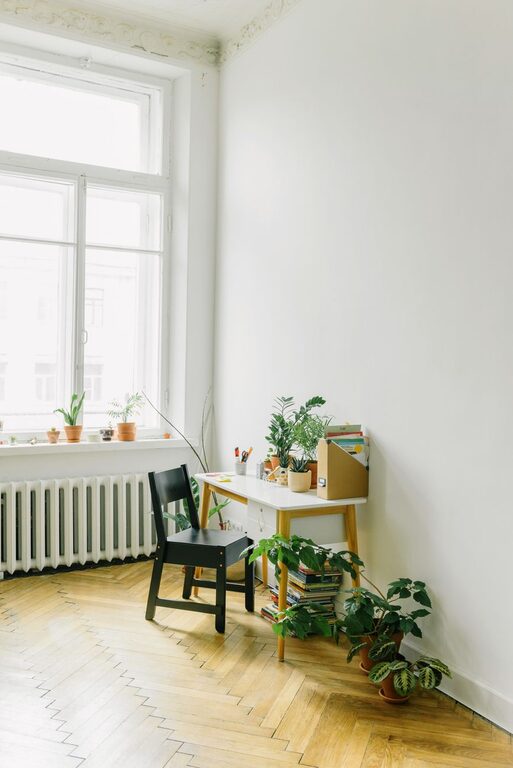
Finding the perfect spot for your home office is the first step. Ideally, select a quiet area where you can work without frequent interruptions. If possible, avoid placing your workspace in high-traffic zones like the kitchen or living room. A separate room or a quiet corner can provide much-needed privacy and help your brain associate the space with work.
Invest in Comfortable Furniture
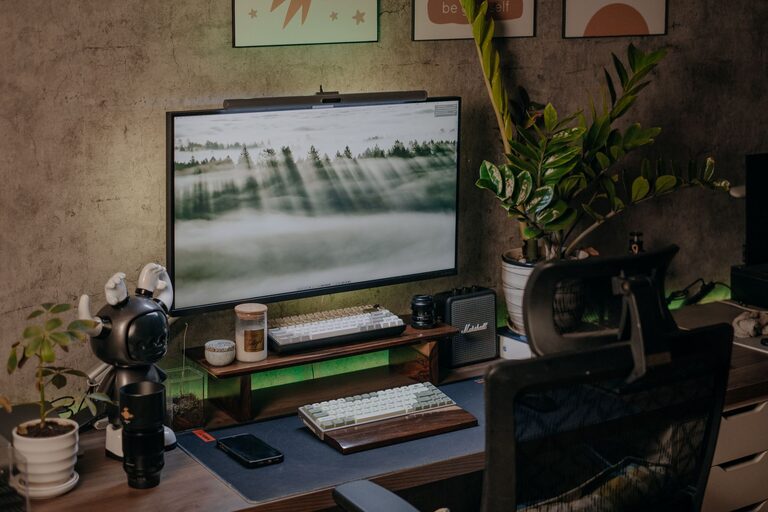
Comfort plays a key role in creating a workspace you’ll want to spend time in. Look for an ergonomic chair that supports your back and encourages good posture. A desk at the right height can prevent strain on your wrists and shoulders. If you use a laptop often, consider a laptop stand or external keyboard to maintain a comfortable setup.
Optimize Lighting
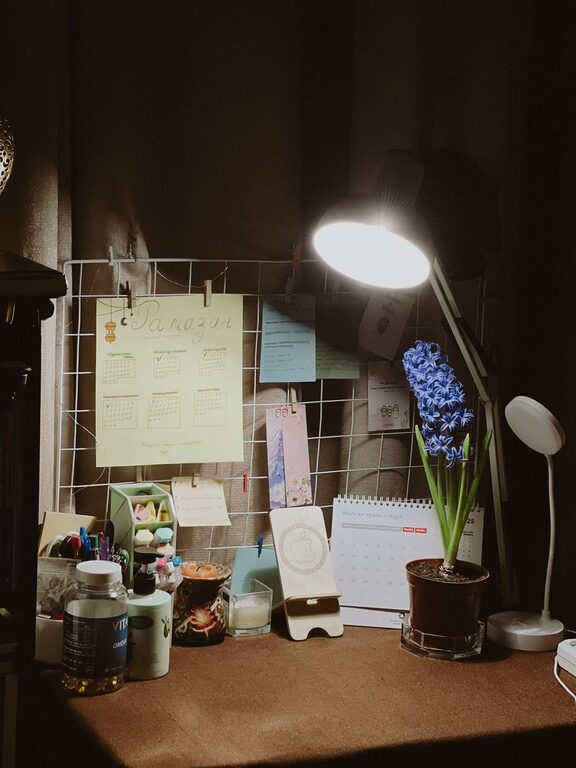
Good lighting can improve focus and reduce eye strain. Natural light is best, so position your desk near a window if possible. If you don’t have access to natural light, invest in quality artificial lighting such as a desk lamp with adjustable brightness and color temperature. Avoid harsh overhead lights that can cause glare or headaches.
Declutter and Organize
A tidy workspace helps clear your mind. Keep your desk free from unnecessary items and only have essential tools within reach. Organizational items like trays, file holders, or drawer organizers can help sort papers and supplies neatly. Consider digital tools to reduce paper clutter and help keep your tasks organized.
Use Calming Colors and Decor
Colors can influence mood. Soft, neutral tones like light blues, greens, or grays promote tranquility and focus. Avoid overly bright or distracting colors in your workspace. Add personal touches with plants, artwork, or decorative objects that make you feel relaxed but don’t overcrowd the space.
Incorporate Greenery
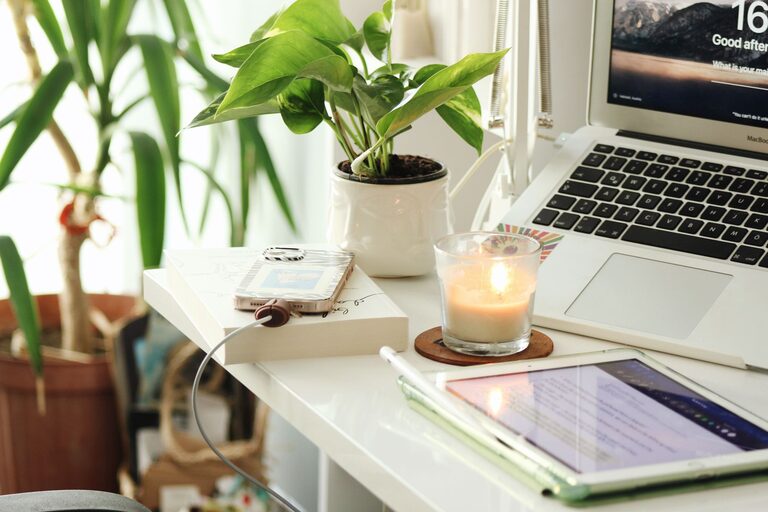
Plants not only beautify your workspace but also improve air quality and reduce stress. Low-maintenance plants like succulents or spider plants are great options. They bring a bit of nature indoors and create a soothing atmosphere.
Manage Noise Levels
Noise can be a major distraction. If background sounds bother you, consider noise-canceling headphones or a white noise machine to drown out distractions. Some people find gentle instrumental music or nature sounds helpful for concentration.
Establish a Routine
A consistent work routine can turn your home workspace into a productive zone. Start your day by preparing your space – making your bed, arranging your desk, or brewing a cup of coffee. Taking short breaks and stepping away from your workspace periodically helps maintain focus and reduces burnout.
Personalize Thoughtfully
While personalization is important to make the space your own, avoid cluttering it with too many items. Choose a few meaningful objects that inspire or motivate you. This can include photos, motivational quotes, or small mementos that bring joy.
Keep Technology in Check
Ensure your technology supports your productivity. Use reliable internet and keep your devices charged. To reduce distractions, turn off non-essential notifications during work hours. Cable management tools can help keep cords neat and prevent a messy desk.
Prioritize Comfort and Ergonomics
Take breaks to stretch and change your posture throughout the day. Consider adding a footrest or adjustable monitor stand for added support. Remember that your comfort impacts your ability to relax and focus.
Add a Relaxation Corner
If space allows, create a small area nearby for brief moments of relaxation. A comfortable chair, cushions, or a small meditation space can help you recharge during breaks.
—
Creating a relaxing home workspace is about balancing comfort, functionality, and personal style. By thoughtfully arranging your environment and habits, your workspace can become a place where focus flows naturally, and the stress of work feels more manageable. Give these tips a try, and tailor your space to meet your needs and preferences for the best results.
About the Author